Safe Packing Methods for Delicate Handmade Collections
Delicate handmade collections can suffer permanent damage from pressure, moisture and movement during a relocation. Ceramics may develop hairline cracks, textile dyes can transfer and paper artwork can crease inside a poorly packed box.
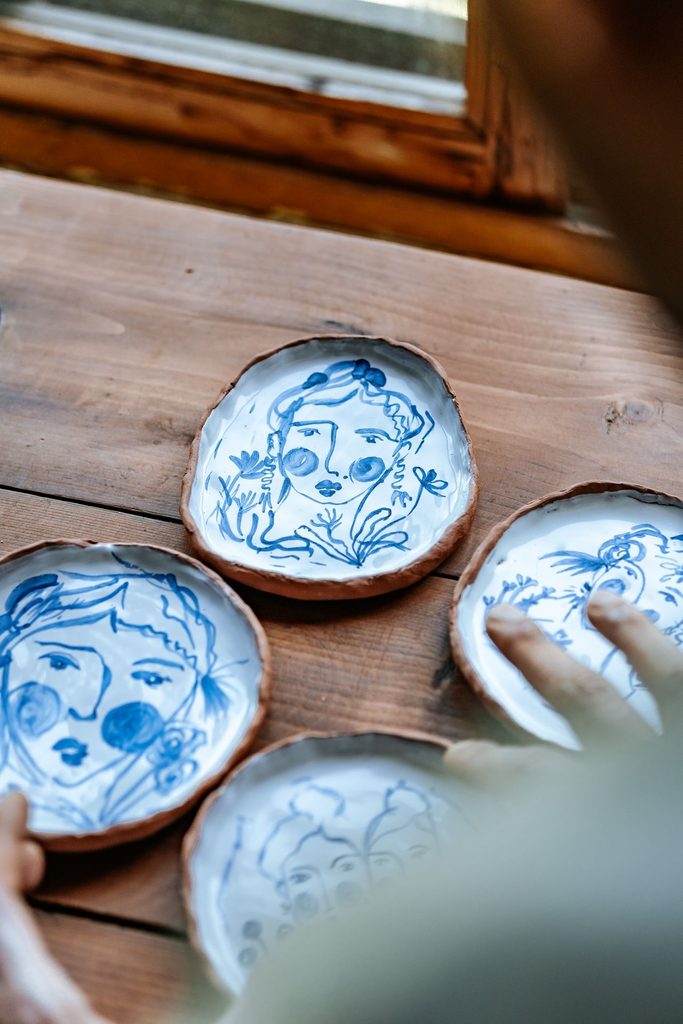
A safe packing plan should account for each object’s materials, shape and weak points. Consider photographing every piece before you begin, as this also creates a useful condition record, especially when a collection has financial or personal value.
Select Acid-Free Wrapping Materials
Choose wrapping materials that won’t transfer acids, dyes or adhesive residue onto an object. Acid-free tissue works well for paper, textiles and many unglazed surfaces, while archival glassine can protect flat artwork from dust and abrasion. Guidance on art transport materials can help you match a protective layer to the item’s surface.
Avoid placing newspaper, colored tissue or packing tape directly against handmade pieces. Wrap each object separately, then add clean cushioning around the wrapped item. For hollow ceramics, loosely fill the interior with acid-free tissue so the walls receive support without added pressure. Label any piece that has a loose lid, detachable part or especially delicate finish.
Shield Framed Pieces from Impact
Protect the front, corners and hanging hardware of every framed piece. Start with a clean, nonabrasive surface layer, then add corner protectors and a firm outer board. This painting wrapping guide explains practical methods for creating protective layers around framed art.
Place framed items upright in picture boxes and keep the decorated surfaces facing one another only when both pieces have rigid protection. Don’t lay heavy cartons on top of them. If you need packing help during a Maryland relocation, Prince Movers provides local and long-distance moving services that include packing, loading and unloading. Tell the team which cartons contain handmade or framed work before loading begins.
Professional Transit for Fragile Goods
Consider professional transit when a collection includes oversized pieces, valuable originals or materials that react to temperature and humidity changes. Before booking a service, ask how fragile cartons will be labeled, loaded and secured inside the vehicle. Confirm who handles the objects at each stage and request written details about coverage for loss or damage.
Create an inventory with a photograph, short description and box number for every item. For example, record “blue glazed bowl, 10 inches wide, Box 6” instead of writing only “ceramics.” Keep this list with you during the move. If an object requires a custom crate or climate-controlled storage, arrange that service early since suitable materials and storage space may have limited availability.
Unpack and Inspect Upon Arrival
Move fragile boxes into a clean, stable room before opening them. Check each carton for crushed corners, damp patches or punctures and photograph any visible damage while the package remains closed. Open one box at a time on a padded table or clear floor so small components can’t roll away.
Compare each piece with its pre-move photograph and inventory entry. Look for shifted frames, loose joints, surface scratches and fine ceramic cracks under good lighting. Save all wrapping and cartons until the inspection is complete because packaging may help document how damage occurred. Let cold objects reach room temperature before unwrapping them fully, especially glass and glazed ceramics, since rapid temperature changes can stress their surfaces.
A final inventory check should account for every box and detachable component before the collection returns to display or storage. Store archival wrapping materials flat and clearly labeled so they remain clean enough for the next exhibition, shipment or household move.
Now, enjoy your collection!